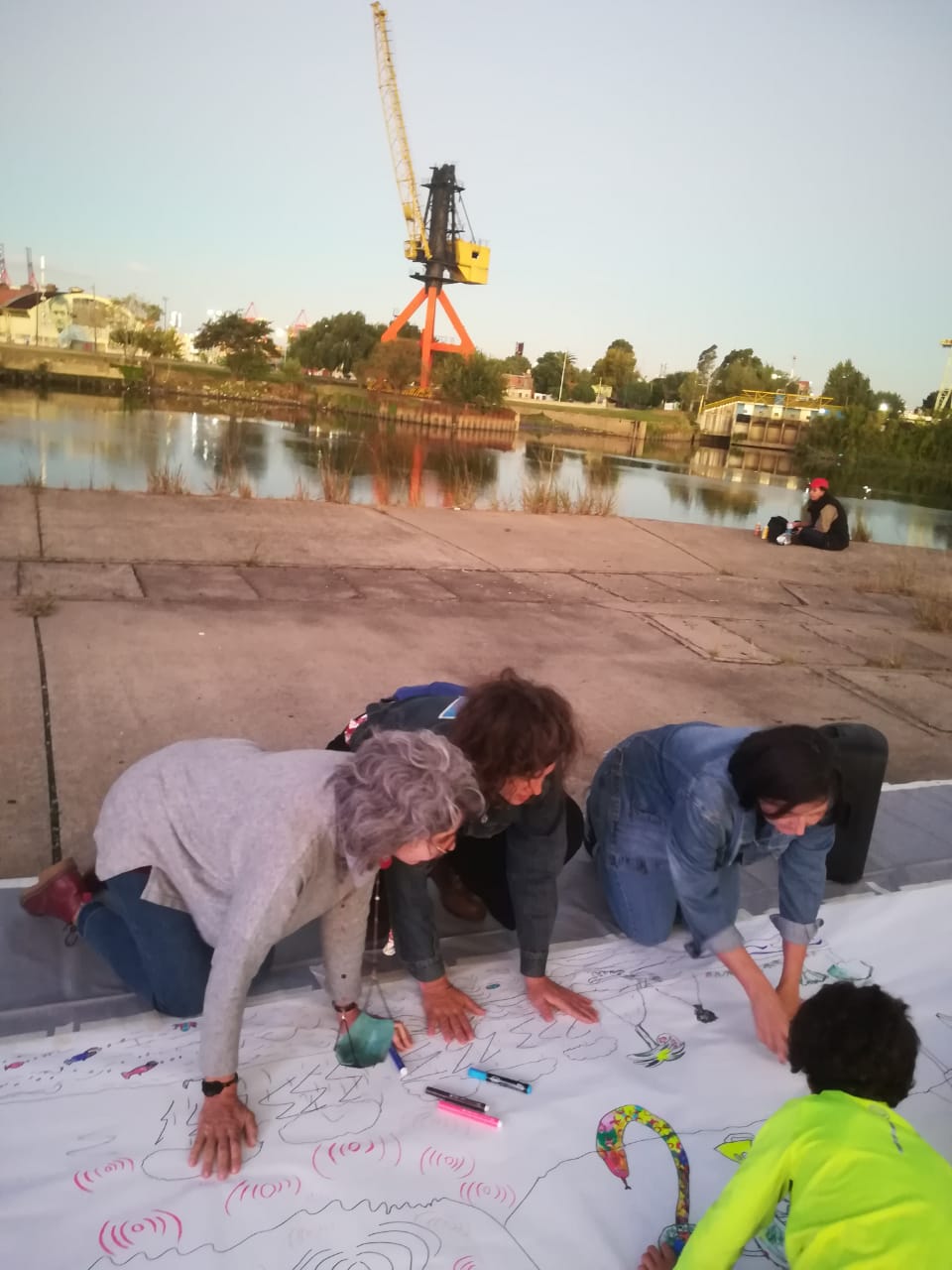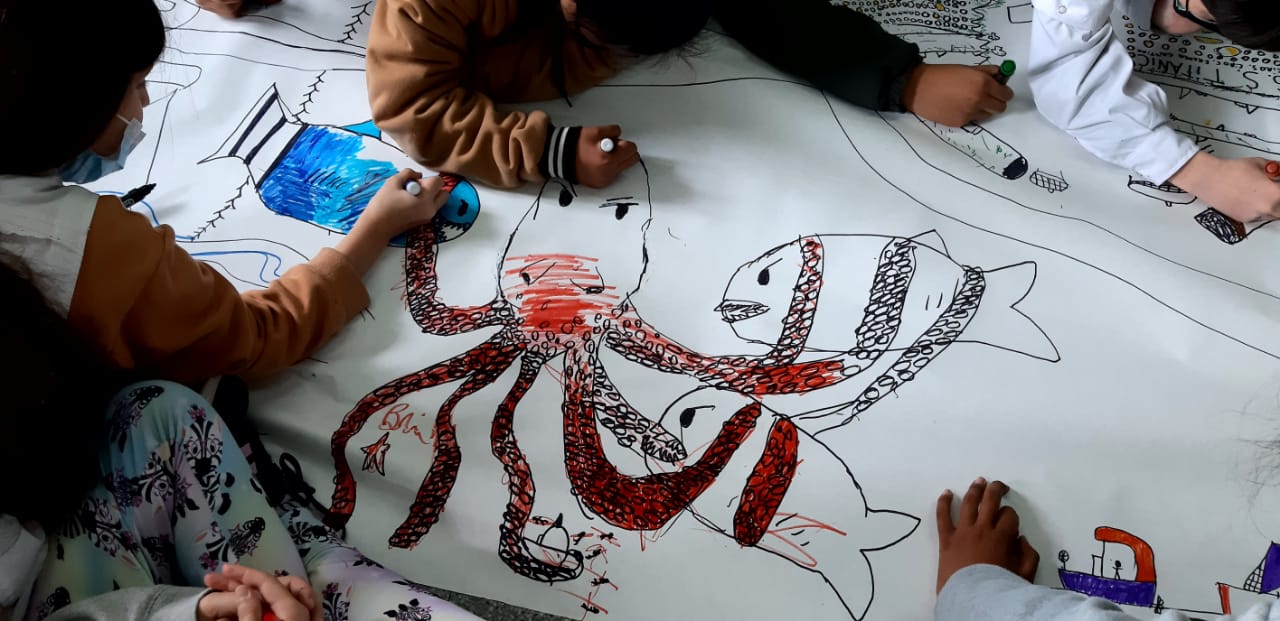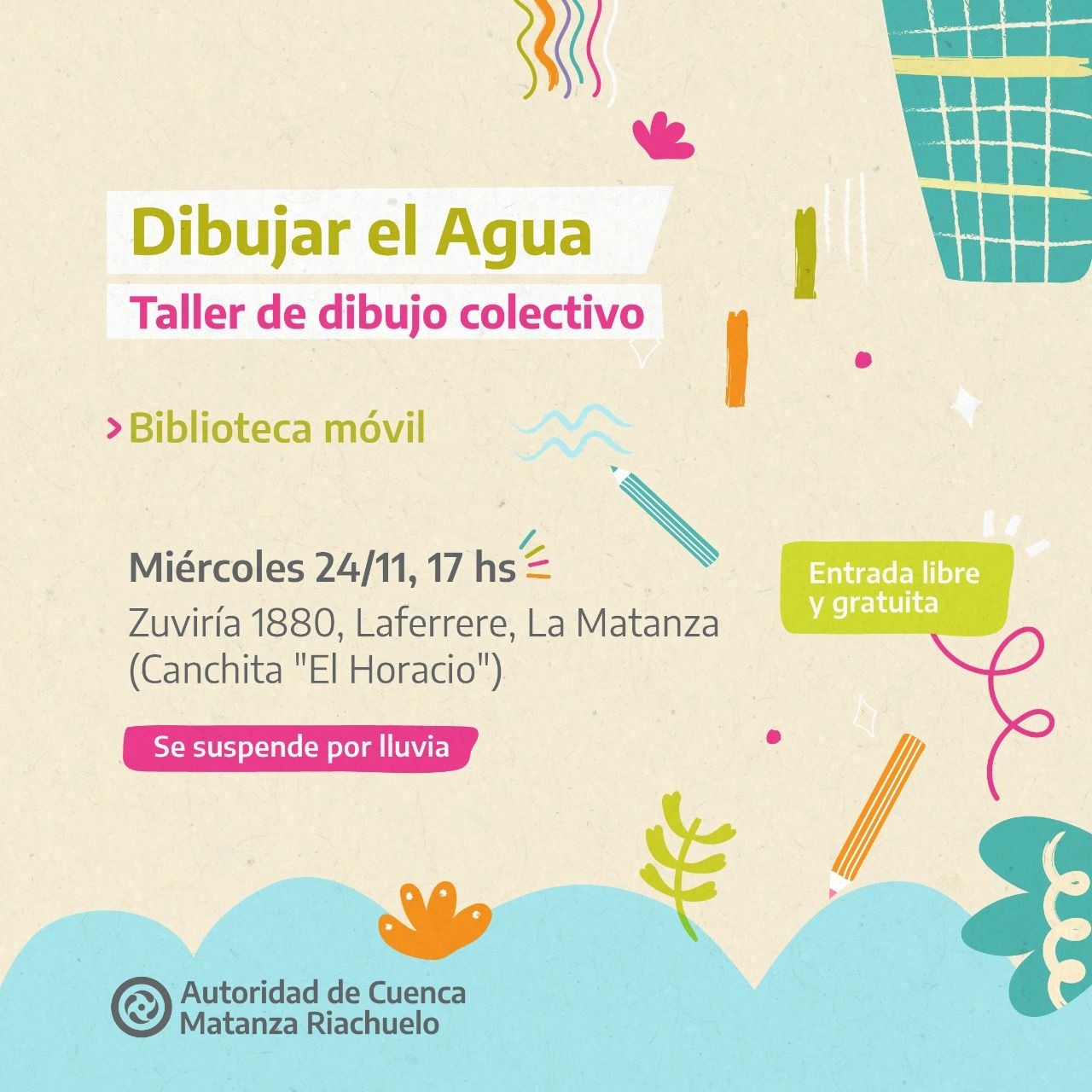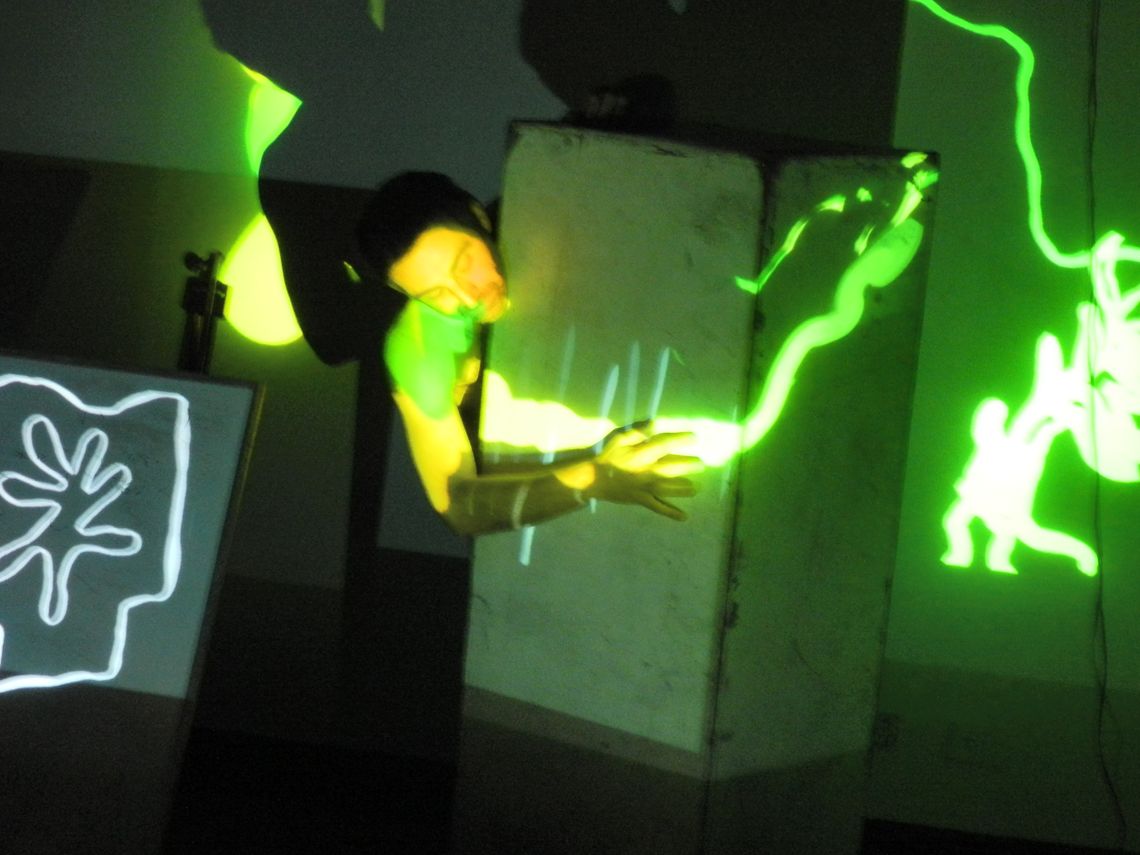
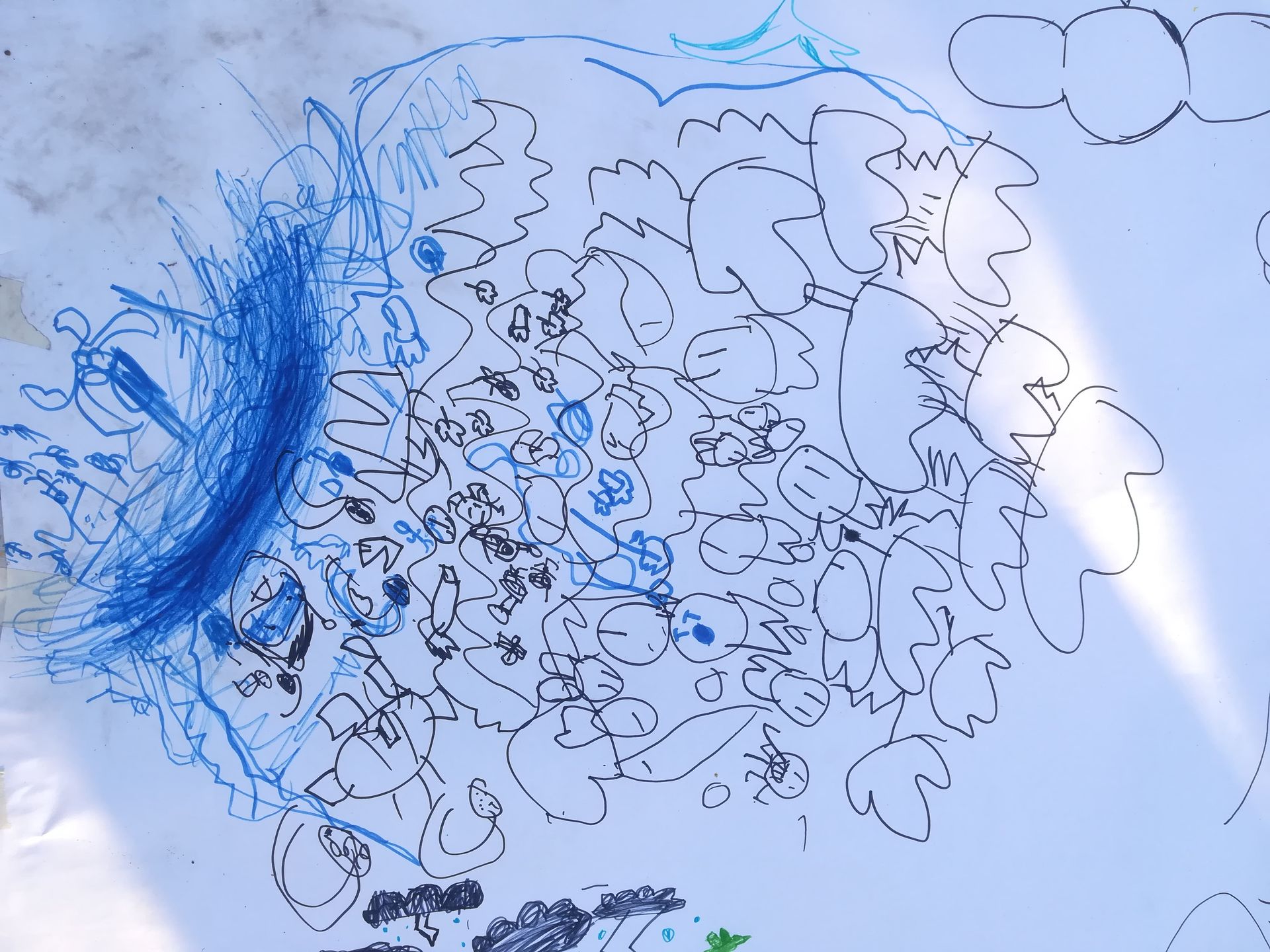
Drawing Water is a situated artistic and pedagogical practice that brings together creation, collective learning, open technologies, and dialogue with territories. Through drawing as a collective experience of listening and encounter, the project promotes the circulation of sensitive and situated forms of knowledge, understanding art as a way of knowing. With water as a shared axis, the project celebrates collective knowledge while addressing environmental and social issues, seeking to open dialogue and to collectively build responses and new shared paths in the face of the current crisis.
The workshop experience
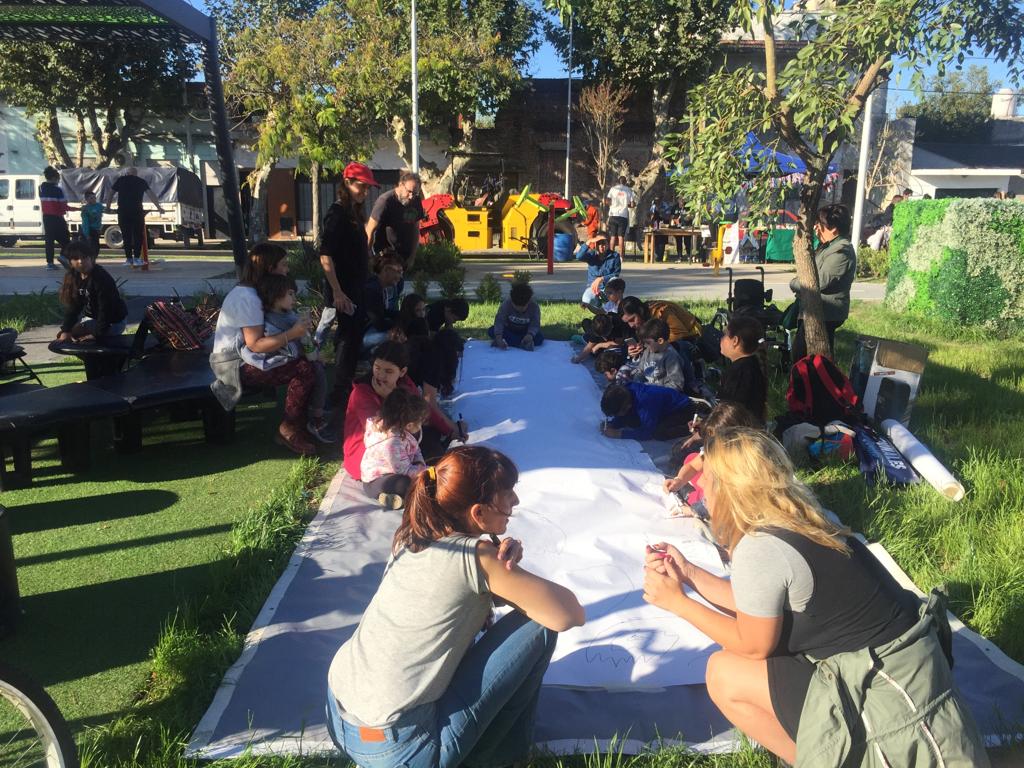
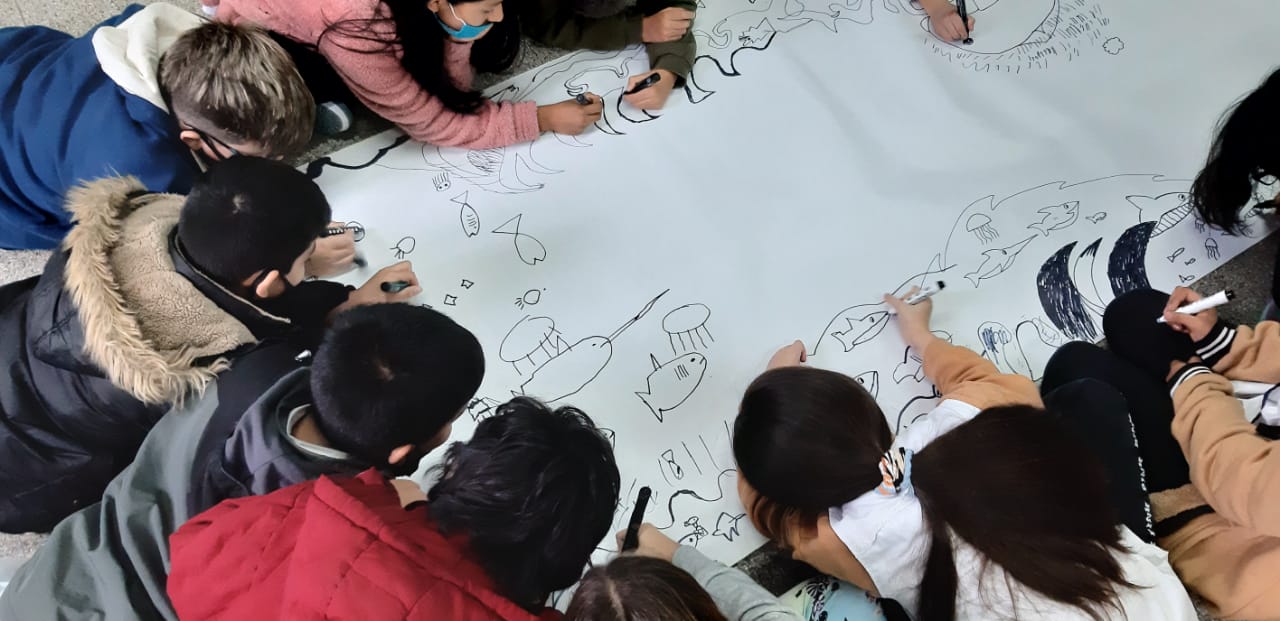
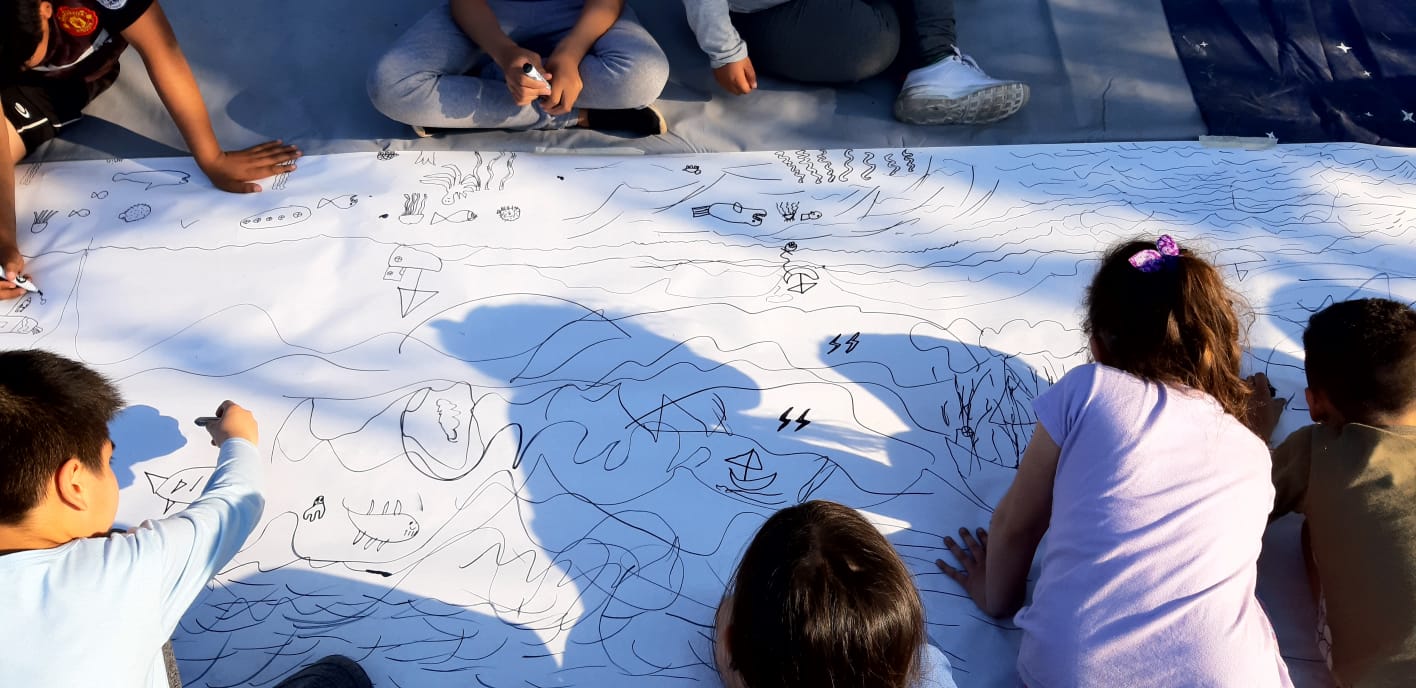
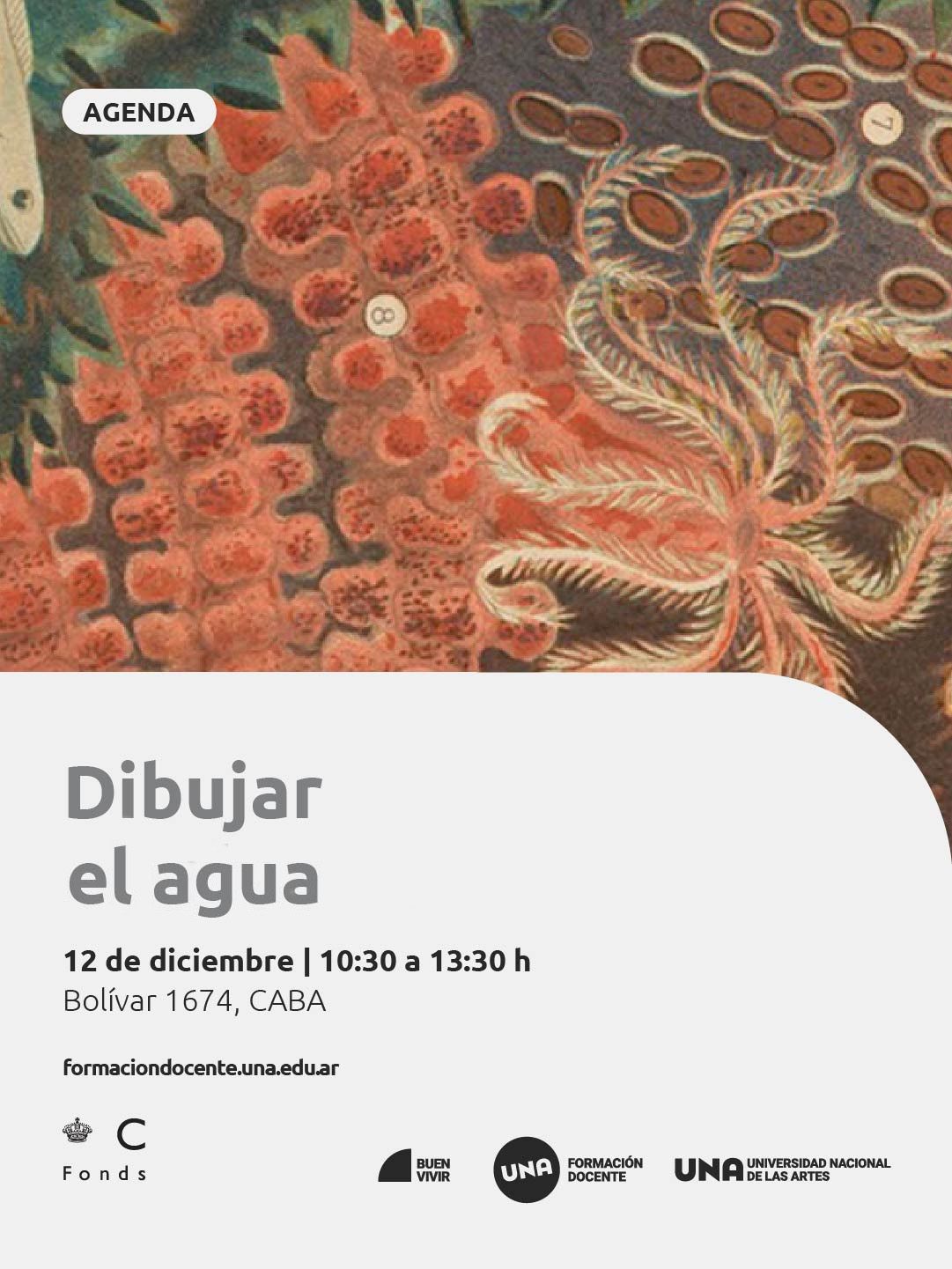
The project unfolds through workshops that invite participants to draw water, its multiple forms and movements, and the diverse forms of life that unfold within it. Accompanied by music, the workshop narrates a journey through time across seas, rivers, and streams, proposing a celebration of water that is at the same time a call for its care, restoration, and defense. The narrative structure of the workshop centrally integrates listening to each community’s relationship with water, both in the prior design stage and throughout the experience itself.
The proposal is based on collective drawing understood as an open and transpersonal practice. Drawing is conceived as a shared language, a process that is built together with others. Starting from play, the experience emphasizes dialogue, the construction of guidelines for group improvisation, and the concept of reciprocity, so that all voices become part of the final composition.
Relationship with the Uma project
Drawing Water constitutes the educational and territorial dimension of the Uma project, within which work with communities—through workshops and situated experiences—becomes a fundamental part of its artistic and methodological development.
Uma is a work that celebrates water as essence, mystery, and the principle of life, while also functioning as a warning and a call to become aware that we share the same paths, and that our destiny is deeply linked to that of the territories we inhabit.
Within Uma, collective and individual modes of work coexist, and the project encompasses the development of an interactive web-based work, a stage performance, workshops, and participatory experiences. All the elements that make up the Uma universe share a common root: an open visual score that proposes narrative maps about water as an entity, its relationship with the beings that inhabit it, and with all forms of life.
Territorial trajectories
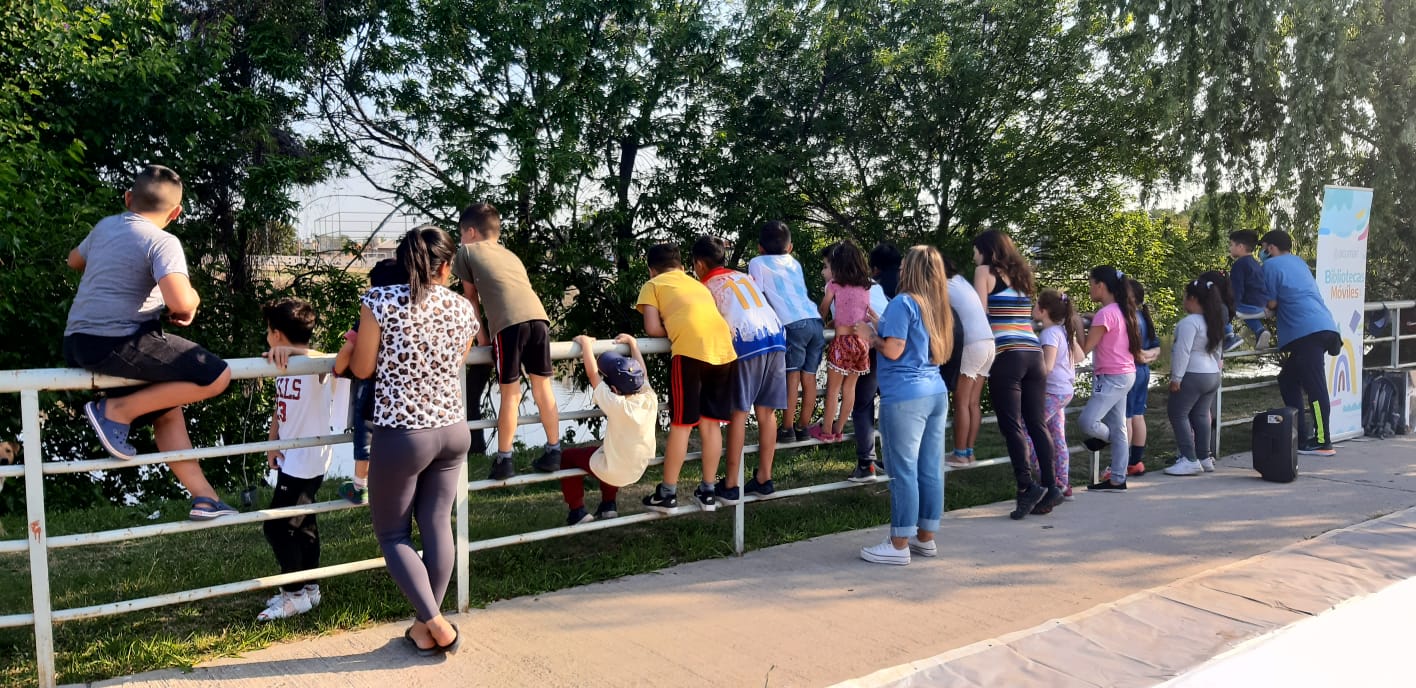
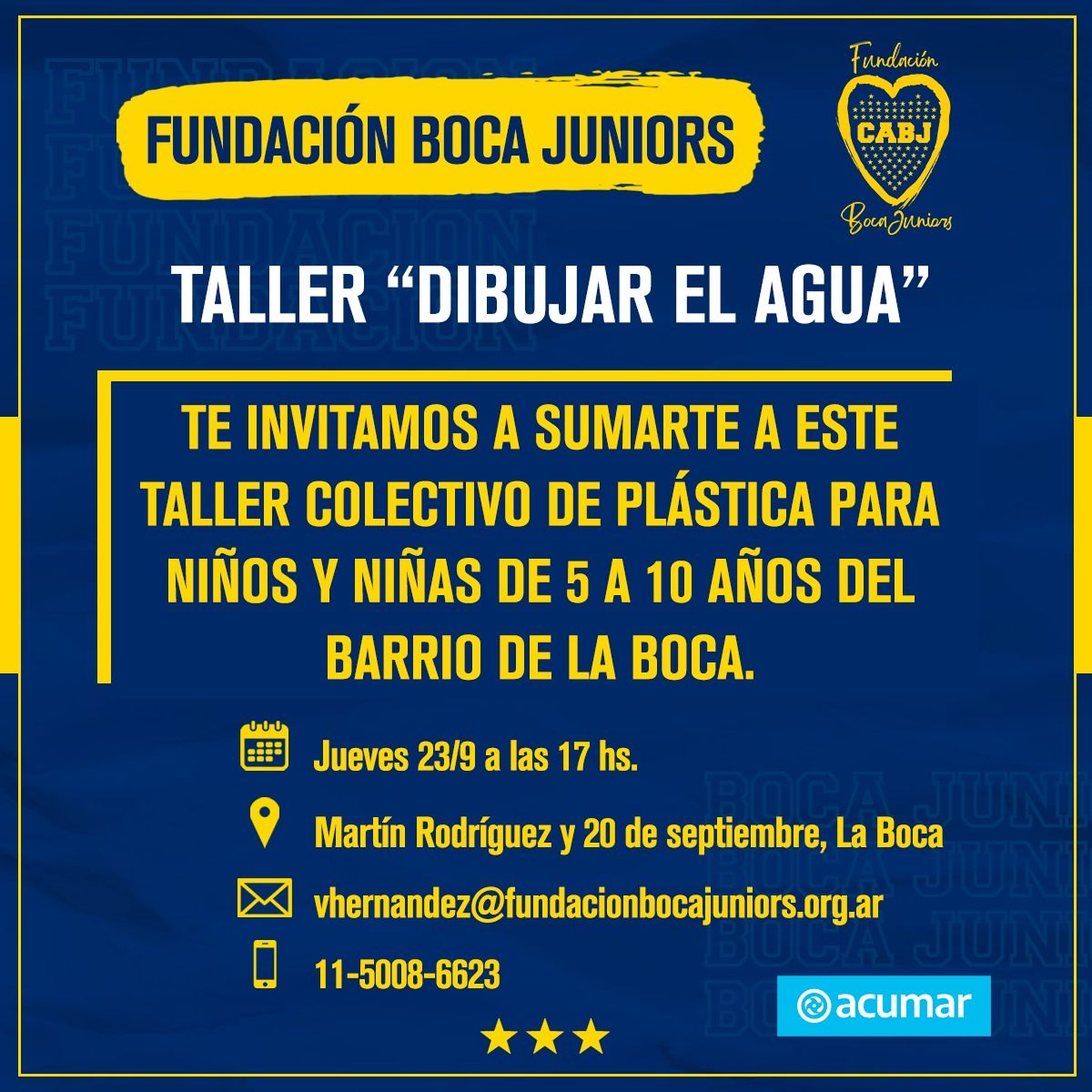
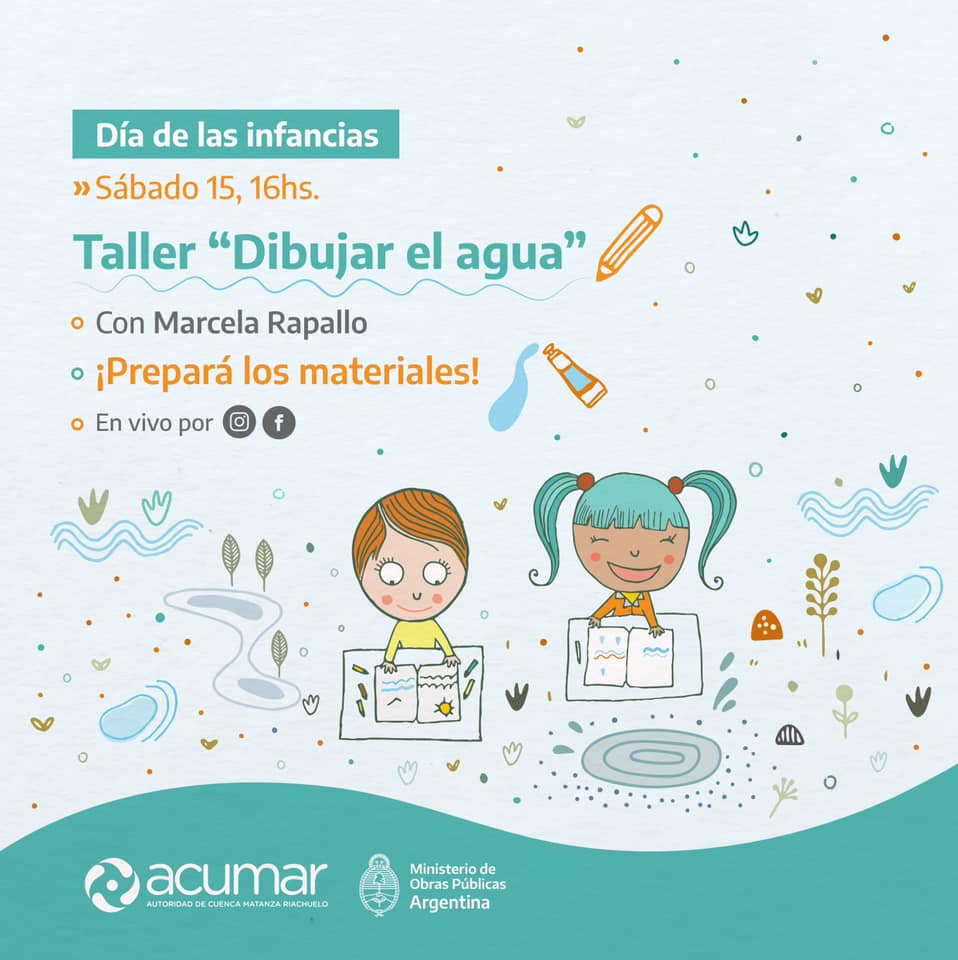
Between 2015 and 2023, Drawing Water was carried out in Argentina within the framework of the Cultural Area of Acumar (Matanza–Riachuelo Basin Authority), an official state agency responsible for environmental restoration and environmental culture in relation to the river. On each occasion, the project’s script was adapted to the basin communities with whom the work was carried out, based on a prior process of listening to their relationship with water. Schools at different educational levels, social projects, and cooperatives took part.
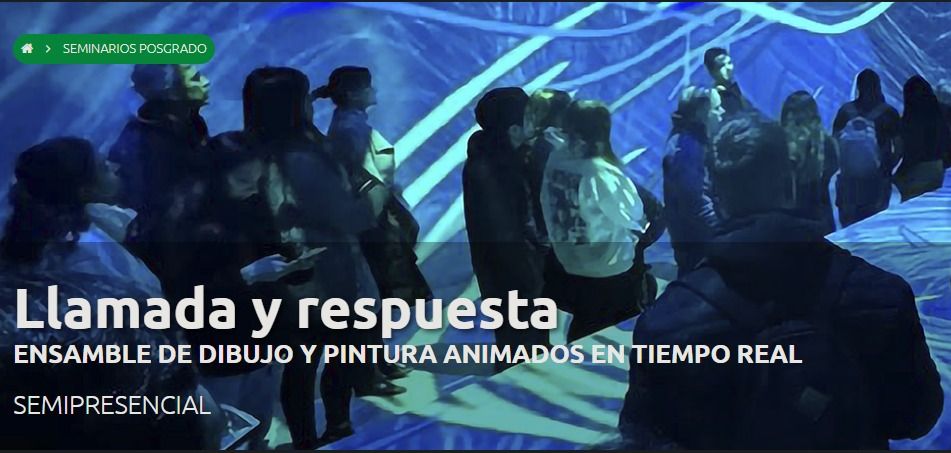
In 2024, the workshops were presented within the framework of COP 16 (United Nations Conference on Biodiversity) in Cali, Colombia, as part of the program of the Bank of the Republic of Colombia. In this context, a dialogue between Colombia and Argentina was developed, which included the creation of a video mapping piece with live drawing in collaboration with the Cali-based artists’ collective Proyecto Monos.

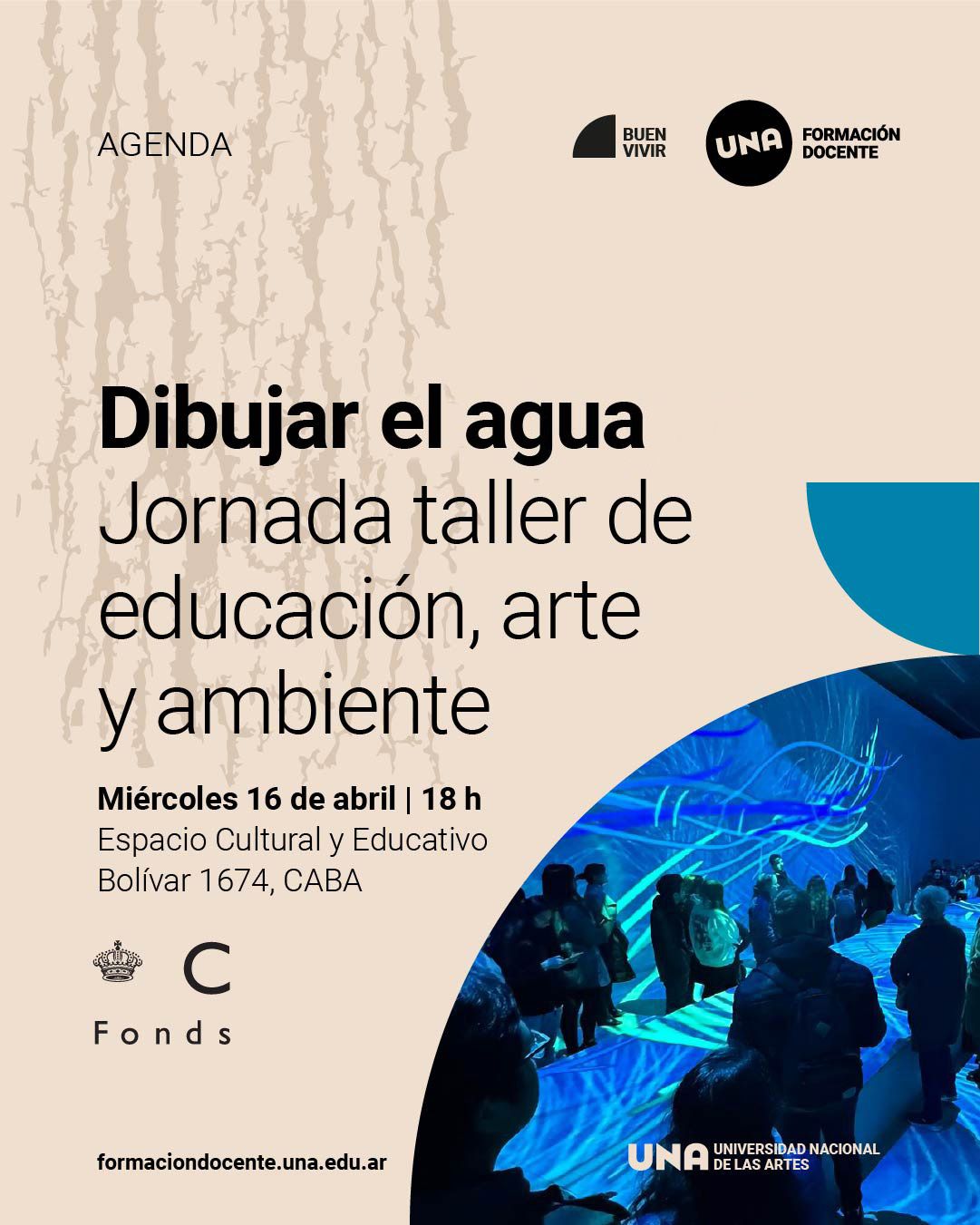
During 2025, the Drawing Water laboratories were developed within the framework of the Transdepartmental Area of Teacher Education and the Buen Vivir Environmental Culture Program at the National University of the Arts (UNA), as well as in the context of the CAREC Lab Week and the Coastal Community Conference in Indonesia. These activities were made possible thanks to the Cultural and Artistic Responses to the Environmental Crisis (CAREC) grant from the Prince Claus Fund.
During this period, the project continued to deepen at the National University of the Arts through work in teacher education, contributing the experience and methodologies developed over many years to the design of the Diploma in Artistic Pedagogies for Integral Environmental Education. As a projection of this process, the production of a first pedagogical workbook is currently underway, systematizing the experience of Drawing Water and conceived as a tool for the circulation and transmission of knowledge, to be implemented in different educational and community contexts.
The current stage of the project
The experience developed within the framework of the CAREC grant—especially through its spaces of collective dialogue—enriched and helped shape a new stage of the territorial project Drawing Water. This process made it possible to further develop the idea of scaling the project by connecting communities through water, and to strengthen the link with the Uma Web project, which will function as part of the overall dispositif to materialize and expand this experience, fostering the exchange of knowledge, the circulation of narratives, and the collective construction of responses to the contemporary environmental crisis.